

Relocating a business is one of the most disruptive events a company can go through, and if you are not careful, it can quietly drain your revenue, your customer trust, and your team’s morale. Between coordinating logistics, protecting equipment, and keeping operations running, it is easy to overlook the systems that keep your building comfortable and functional. This guide walks through the practical steps that help you protect your equipment, your staff, and your bottom line while moving to a new location. Whether you are relocating a single office or an entire facility, planning ahead for these details can mean the difference between a smooth transition and weeks of costly downtime.
Build a Relocation Timeline That Protects Daily Operations
A rushed move almost always costs more than a planned one, so the first step is mapping out a realistic timeline that accounts for every major system in your building, not just furniture and desks. Start by identifying which departments or functions cannot afford downtime, then build your schedule backward from your target move-in date. This approach gives you buffer time to handle surprises, like discovering that your new space needs electrical or mechanical work before you can even begin moving.
Many business owners underestimate how long it takes to get inspections, permits, and contractor availability lined up, especially when multiple trades are involved. Give yourself at least six to eight weeks of lead time for any building system work, including HVAC servicing, so you are not scrambling right before your lease begins.
- List every department and its minimum operational requirements
- Identify systems that need inspection before move-in day
- Build in a two-week buffer for unexpected delays
- Confirm contractor and vendor availability early
- Communicate the timeline clearly to your entire team
Assess the Heating and Cooling Systems Before You Commit to a Space
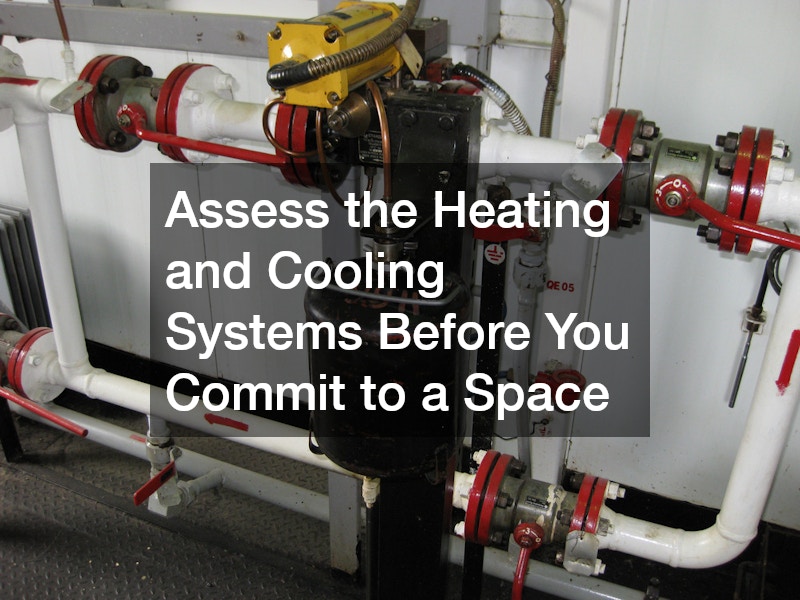
Before signing a lease or finalizing a purchase, it is worth having a qualified professional evaluate the building’s mechanical systems, since heating and cooling problems are expensive to fix after the fact. An outdated or poorly maintained system can lead to comfort complaints, higher utility bills, and unexpected breakdowns just when you need everything running smoothly. In some cases, the inspection may reveal that a full HVAC installation is a smarter long-term investment than repairing an aging system. Ask the seller or landlord for maintenance records and recent service history so you know what you are inheriting.
If the building has an older system, it may be worth calling an AC contractor to inspect it before your move date rather than after. Catching problems early gives you leverage in lease negotiations and prevents the frustrating scenario of moving in only to discover the air conditioning does not work during the first heat wave.
- Request maintenance and repair records from the landlord
- Check the age of major equipment, including compressors and furnaces
- Ask about warranty coverage on existing systems
- Confirm the system size matches your square footage and occupancy
Schedule Professional Inspections Before Moving Equipment In
Once you know your move-in date, schedule inspections for every major system well in advance, since HVAC companies and electrical contractors often book weeks out during busy seasons. A thorough inspection can reveal issues that are cheaper to fix before your equipment and furniture arrive, rather than working around a crowded space later. This is also the time to verify that ductwork, wiring, and plumbing are compatible with your business’s specific needs.
For businesses with specialized equipment, such as restaurants, medical offices, or manufacturing spaces, additional attention is needed for ventilation and exhaust systems. A licensed AC repair company can identify whether existing infrastructure supports your equipment or if modifications are needed before you move a single box.
- Schedule inspections at least three to four weeks before move-in
- Request written estimates for any necessary repairs
- Ask about typical turnaround time for parts and labor
- Confirm inspection reports in writing for lease negotiations
Keep Your Comfort Systems Running Smoothly During the Transition

During a move, it is common for buildings to sit with reduced HVAC use or complete shutdowns, which can actually cause problems if not managed correctly. Extended periods without airflow can allow dust and debris to build up inside equipment, and systems that sit idle for weeks sometimes struggle to restart properly. A simple heat exchanger cleaning before your move can prevent efficiency losses and reduce the risk of a breakdown right when you need reliable heating again.
If your move spans multiple seasons or your new space has been vacant for a while, it is smart to have a technician check the system’s basic function before your team fully moves in. This is a small investment that avoids the much bigger cost of discovering a failure during your first week of business at the new location.
- Avoid shutting down systems completely for extended periods
- Have filters and coils checked before resuming full operation
- Test thermostats and controls after any long vacancy
- Document system performance before and after the move
Handle Old Equipment and Materials Responsibly
Moving often means leaving behind outdated equipment, old ductwork, or mechanical parts that no longer serve your business. Rather than paying for disposal or letting old units sit in storage, many companies find it more efficient to sell usable metal components. Local scrap yards frequently accept old coils, piping, and metal housings, which can offset some of your relocation costs while keeping unwanted material out of landfills.
Before sending anything away, check with your contractor about which components might still have resale or trade-in value, since some manufacturers offer credits for returning old units. This small step can turn a disposal headache into a modest financial benefit during an otherwise expensive process.
- Separate metal components from general waste before disposal
- Call ahead to confirm what materials scrap yards accept
- Ask contractors about manufacturer trade-in programs
- Keep receipts for any recycled materials for tax purposes
Protect Plumbing and Mechanical Connections During the Move

Physical relocation of heavy equipment can put stress on pipes, fittings, and connection points that are easy to overlook until something leaks. Before disconnecting any major appliance or system, make sure shutoff valves are properly closed and clearly labeled so nothing is damaged during transport. This is especially important for businesses relocating kitchen equipment, water heaters, or specialized machinery that relies on precise plumbing connections.
Hiring a professional to disconnect and reconnect these systems reduces the risk of costly leaks or pressure issues once everything is reinstalled at the new site. It also ensures that valves and fittings are inspected for wear before being put back into service, rather than discovering a slow leak weeks after you have already unpacked everything else.
- Label all shutoff points before disconnecting equipment
- Inspect valves and fittings for wear before reinstallation
- Photograph connections before disassembly for reference
- Test water pressure and flow after reconnection
Minimize Downtime by Coordinating Vendors Strategically
One of the biggest momentum killers during a relocation is having contractors show up out of order, forcing your team to wait around or work in an unfinished space. Create a coordinated schedule where electrical, plumbing, and mechanical work happens in a logical sequence, with clear handoff points between each trade. This prevents the common problem of one contractor undoing another’s work simply because nobody communicated the full picture.
When possible, choose vendors who are willing to communicate directly with each other rather than relying solely on you to relay information. This reduces miscommunication and keeps your relocation on schedule, even when unexpected issues come up.
- Create a shared calendar accessible to all vendors
- Designate one point of contact to manage scheduling conflicts
- Request that contractors confirm completion before the next trade begins
- Build in contingency days for weather or supply delays
Plan for Heating Needs Before Your First Cold Season in the New Space
If your move happens in warmer months, it is easy to forget about heating until the temperature drops, but by then you want everything already tested and ready. Scheduling heating repair before the cold season begins ensures your team is not caught off guard by a system that worked fine in summer testing but fails once it is actually needed for warmth. This is particularly important in older buildings where heating systems may not have been used in months or even years.
Getting ahead of seasonal demand also means shorter wait times for service, since technicians get busy once the weather turns and everyone needs help at once. Testing early gives you time to address any issues without the pressure of an emergency repair during your busiest operational period.
- Test heating systems at least one month before cold weather arrives
- Schedule seasonal maintenance before technician demand peaks
- Keep a record of past heating issues from the previous occupant
- Confirm thermostat programming matches your business hours
Communicate Proactively With Employees and Customers Throughout the Process

Momentum is not just about equipment and logistics, it is also about keeping people informed and confident that the business is still fully operational. Employees who understand the timeline and their role in the move are less likely to feel anxious or disengaged, which directly affects productivity. A simple weekly email update, a shared moving calendar, or a five-minute standup mention can go a long way toward preventing rumors from filling the information gap.
Give employees specifics they can act on: the exact moving date, whether there will be a hybrid or remote work option during the transition, and who to contact with questions. Departments handling sensitive files, inventory, or equipment should get individualized instructions well ahead of time, since a generic company-wide memo often is not enough. When staff feel looped in rather than blindsided, they are far more likely to stay focused on their actual jobs instead of speculating about job security.
Customers, too, appreciate clear updates about hours, location changes, and any temporary service adjustments. This can mean updating your website banner, Google Business Profile, and social media at least two to three weeks before the move, then again on the day itself. For service-based businesses, sending a direct email or text to active clients about potential delays or a temporary hold on appointments shows respect for their time and reduces frustrated phone calls.
Consider also preparing a short FAQ for both audiences, covering questions like “Will pricing change?” or “Is my order still on schedule?” Addressing these proactively, rather than reactively, signals stability and reassures everyone that the business is being managed carefully through the transition.
Consider creating a simple internal document or shared page — a pinned Slack channel, a shared drive folder, or even a single-page intranet update — where employees can check move-related news without needing to ask managers repeatedly. Include the essentials: the moving date, the new address, parking or transit changes, what to pack themselves versus what movers will handle, and a point of contact for questions. Update it weekly, or more often as the date approaches, so it stays the trusted source of truth rather than something people stop checking.
This reduces confusion and keeps everyone focused on their actual work rather than worrying about logistics they cannot control. It also cuts down on the rumor mill that tends to spring up during any major operational change, where secondhand information gets distorted and causes unnecessary anxiety.
Don’t overlook customers in this same effort. A short email sequence, a banner on your website, or a quick social media post letting clients know about the move — and reassuring them that service won’t be interrupted — goes a long way toward preserving trust and preventing a dip in business during the transition.
- Send weekly email updates leading up to the move date, then switch to daily reminders during the final week
- Post clear signage and online notices about temporary changes, including revised hours, parking, or entrance instructions
- Update your website banner, voicemail greeting, and social media bios with the new address and move timeline
- Designate a point person for employee questions and give them authority to make small logistical calls without escalation
- Hold a brief all-staff meeting or Q&A session two weeks before the move to address concerns face-to-face
- Follow up with customers after the move to confirm normal operations and thank them for their patience
- Ask for quick feedback after the move to catch any lingering confusion about location or service changes
Relocating a business does not have to mean sacrificing momentum, lost revenue, or frustrated customers if you plan carefully and address mechanical systems early in the process. Taking the time to inspect, test, and coordinate your building’s essential systems protects your investment and helps your team get back to full productivity faster. Start by building your timeline, scheduling inspections, and lining up trustworthy professionals well before your move date arrives. With the right preparation, your business can transition to its new home smoothly and be ready to serve customers without missing a beat.